A window includes several connected parts that support the frame, hold the glass, and control how the unit opens, closes, and seals. The main groups usually include the frame, sash, glass, hardware, trim, and sealing parts. Each one has a clear role, so together they shape the window’s structure, movement, and protection against air and water.
At the same time, these parts work as one system rather than as separate pieces. The frame holds the full unit in place, while the sash supports the glass and moves when the window opens. Hardware controls the motion, seals reduce drafts, and trim finishes the edges so the whole assembly looks complete and works smoothly.
Parts of a Window With Labeled Diagram
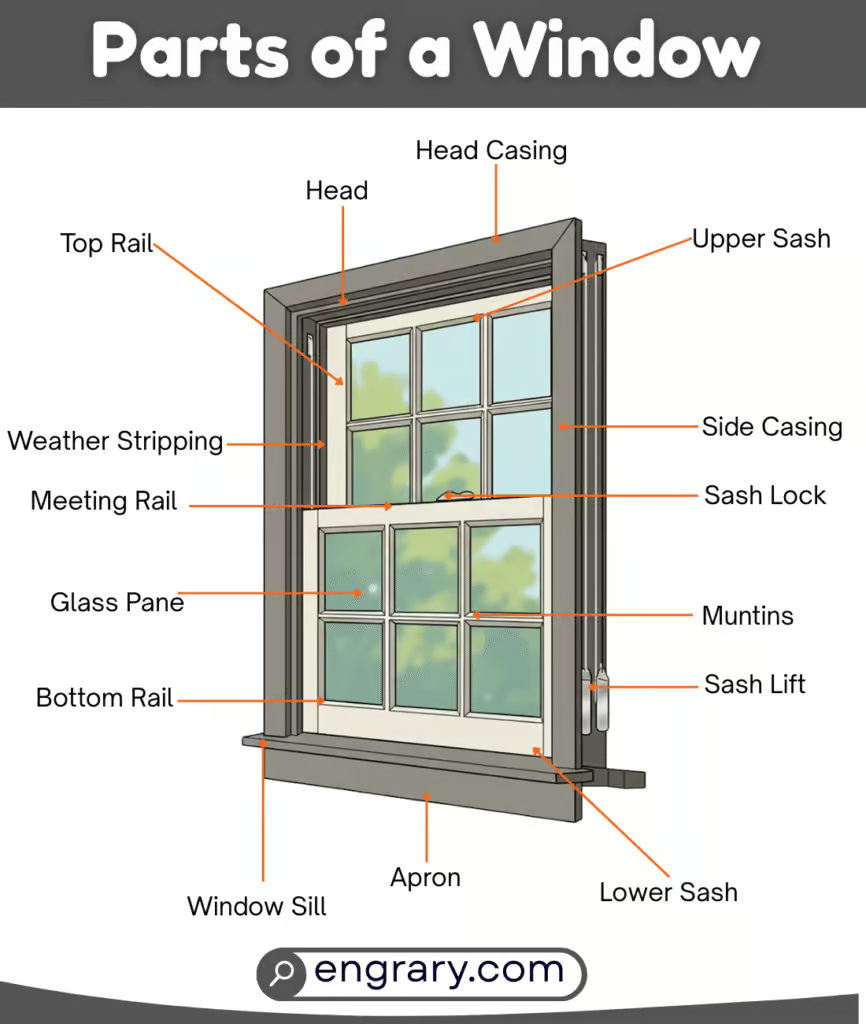
A labeled diagram of a window usually points to the most visible structural and working parts. These names help readers identify what they see from the inside or outside before moving into smaller details.
Frame
This is the outer structure that supports the whole window unit. It connects the window to the wall opening and creates the base that holds the sash, glass, and other fitted parts in place.
Sash
The sash is the inner framed section that holds the glass. In operable windows, this part moves when the window opens or closes, so it plays a central role in both support and function.
Glass or Glazing
Glass, often called glazing, fills the center area of the window. It allows light to pass through while also helping with insulation, visibility, and protection from outdoor conditions.
Head
Located at the top of the frame, the head forms the upper horizontal section. It helps complete the window opening and supports the upper alignment of the entire unit.
Side Jambs
These are the vertical sides of the frame. They help guide moving parts, connect with hardware in some window types, and keep the unit square and stable.
Sill
The sill is the bottom horizontal part of the frame. It supports the lower edge of the window and often slopes slightly so water can move away rather than collect.
Stiles
Stiles are the vertical sides of the sash. They strengthen the sash and connect the rails, so the glass section stays firm during opening and closing.
Rails
Rails are the horizontal sash members. Top rails, bottom rails, and meeting rails each help shape the sash and support how it fits, locks, and moves.
Hardware
This group includes the working metal or mechanical parts such as locks, hinges, cranks, balances, and rollers. These parts control movement, security, and operation.
Weatherstripping and Seals
These parts help block drafts, dust, and moisture. Even though they are less visible, they are essential because they improve comfort and support window efficiency.
Main Parts of a Window and Their Functions
The main parts of a window can be grouped by what they do. Some provide structure, some support movement, and others improve sealing, visibility, or finishing.
Frame
The frame forms the fixed outer border of the window. It anchors the unit in the wall and supports the rest of the components, so every other major part depends on it for position and stability.
Sash
Inside the frame, the sash carries the glass and often moves as the active part of the window. Because of that, it affects ventilation, alignment, and ease of use.
Glass or Glazing
This part fills the open viewing area and allows natural light into the room. Beyond visibility, it also contributes to insulation, sound control, and protection from weather.
Grilles, Muntins, and Mullions
These parts divide or visually separate glass areas. Although people often confuse them, they can affect both appearance and structure depending on whether they are decorative or load-supporting.
Hardware
Locks, latches, cranks, hinges, rollers, and balances all fall into this group. Their main job is to let the window open, close, stay secure, and move with control.
Weatherstripping and Seals
These narrow sealing parts fit around working edges and contact points. As air tries to pass through gaps, these parts reduce leakage and help the window close more tightly.
Parts of a Window Frame
The frame forms the fixed outer structure of the window, so it supports the full unit and connects it to the wall opening. Because it stays in place while other parts may move, it provides the base that keeps the window steady, aligned, and protected from outside conditions.
Head
The head is the top horizontal part of the frame. It closes the upper edge of the window opening and helps hold the side jambs in position.
Side Jambs
Side jambs are the vertical frame sections on the left and right sides. They support the sash, guide movement in operable windows, and help maintain the window’s shape.
Sill
The sill is the bottom horizontal part of the frame. It supports the lower edge of the unit and often slopes slightly outward so water can drain away.
Window Stop
A window stop is a narrow strip that holds the sash in the correct path or position. It limits movement and helps keep the sash aligned inside the frame.
Jamb Extension
A jamb extension adds depth to the frame so it can match the wall thickness. This piece creates a cleaner interior fit when the standard frame depth is not enough.
Jamb Liner
The jamb liner sits inside the jamb area and creates a smooth channel for sash movement. In many modern windows, it also works with balance parts to support easier operation.
Weep Holes
Weep holes are small drainage openings, usually near the lower outer part of the frame. They allow trapped water to escape, which helps protect the window from moisture buildup.
Parts of a Window Sash
The sash is the framed section that holds the glass, and in many windows it is the part that moves. As it slides, swings, or lifts, its individual pieces help maintain strength, balance, and secure closure.
Stiles
Stiles are the vertical sides of the sash. They form the side boundaries of the glass area and connect the top and bottom rails into one firm unit.
Top Rail
The top rail is the upper horizontal part of the sash. It supports the top edge of the glass section and helps keep the sash square.
Bottom Rail
This is the lower horizontal sash member. It strengthens the base of the sash and often serves as an important gripping or closing point.
Meeting Rail or Check Rail
The meeting rail is where two sash sections come together in a double-hung window. This part helps create the closing line where the sash align and seal against each other.
Lift Rail
A lift rail gives the user a place to raise or lower the sash more easily. It improves grip and makes operation smoother, especially on double-hung windows.
Sash Lock or Latch
This hardware secures the sash in the closed position. Once locked, it helps keep the window shut more tightly and supports both safety and sealing.
Lock Keeper or Strike
The keeper or strike is the receiving piece that works with the sash lock. When the lock engages this part, the sash stays closed in the correct position.
Tilt Latches
Tilt latches allow the sash to tilt inward on certain window types. This feature changes the sash position without fully removing it from the frame path.
Pivot Bar and Balance Shoe
These parts help support and guide sash movement in many modern double-hung windows. The pivot bar connects with the balance shoe, and together they help the sash move with control.
Glass and Glazing Parts of a Window
The glass system fills the center of the window, yet it includes more than just the visible pane. Several connected parts hold the glass in place, create spacing, and improve how the window handles light, insulation, and daily use.
Glass Pane
A glass pane is the clear sheet that forms the visible center of the window. It allows light to enter while also creating a barrier between the indoor and outdoor spaces.
Insulated Glass Unit
An insulated glass unit, often called an IGU, uses two or more panes sealed together. This setup creates a more efficient barrier, so the window can reduce heat transfer better than a single pane.
Spacer
The spacer sits between panes in an insulated glass unit. Its job is to keep the panes evenly separated, which helps the sealed glass unit maintain its shape and performance.
Glazing Bead or Glazing Stop
This piece holds the glass firmly inside the sash or frame. It creates a neat edge around the pane while also helping prevent the glass from shifting out of position.
Glazing Channel
The glazing channel is the fitted area where the glass rests inside the sash. Because it supports the pane along the edges, it helps keep the glass stable and properly seated.
True Divided Lites
True divided lites separate the window into smaller glass sections with actual bars between them. Instead of only changing the appearance, this design creates real individual panes within one window unit.
Simulated Divided Lites
Simulated divided lites give the window the look of multiple panes without fully separating the glass into individual sections. This style keeps a traditional appearance while using a more modern glass setup.
Grilles Between Glass
These grilles sit between glass panes rather than on the outside surface. As a result, they create a divided look while keeping the glass surface easier to clean.
Window Trim and Finishing Parts
Trim and finishing parts shape the edges around the window and give the opening a more complete look. At the same time, these pieces cover joints, improve transitions between surfaces, and help separate interior details from exterior ones.
Stool
The stool is the flat interior shelf-like part at the bottom of the window. It finishes the inside lower edge and creates the surface that people often mistake for the sill.
Apron
The apron is the trim piece installed below the stool on the interior wall. It finishes the lower area under the window and gives the opening a more complete framed appearance.
Interior Casing
Interior casing surrounds the window on the inside. It covers the gap between the wall and the frame, so the opening looks cleaner and more finished.
Exterior Casing
Exterior casing trims the outside perimeter of the window. It creates a defined outer border and helps tidy the joint where the window meets the exterior wall surface.
Brick Mould
Brick mould is a type of exterior trim that frames the outside edge of the window. It often creates a thicker outer border, especially on traditional exterior designs.
Drip Cap
The drip cap sits above the window on the exterior side. Its shape helps direct water away from the top edge, which reduces the chance of moisture running into the opening.
Parts That Help a Window Open, Close, and Lock
These parts control movement, support smooth operation, and keep the window secure when shut. While the frame and sash provide the structure, this group handles the action that lets the window slide, swing, tilt, or stay firmly closed.
Hinges
Hinges connect the sash to the frame on windows that swing open, such as casement or awning styles. They allow controlled movement along one side while keeping the sash attached and supported.
Balances
Balances help support the weight of the sash in many double-hung windows. Because they reduce the effort needed to move the sash, they make opening and closing feel smoother.
Operators and Cranks
Operators and cranks open and close certain windows through a turning motion. As the handle moves, the mechanism pushes or pulls the sash with more control than a simple lift or slide action.
Tracks
Tracks create the guided path that moving window parts follow. They help the sash or panel stay aligned, so the window can move in the intended direction without shifting out of place.
Rollers
Rollers support smoother movement along a track, especially in sliding windows. Instead of dragging across the frame, the moving section glides more easily when rollers carry part of the load.
Latches and Locks
Latches and locks secure the window when it closes. In addition, they help pull parts into tighter contact, which supports both safety and a better seal.
Window Part Names That People Often Confuse
Several window terms sound similar, yet they refer to different parts. Because these names often appear together, it helps to separate them by position, function, and how people usually see them in the finished window.
Sill vs Stool
The sill is the bottom horizontal part of the outer window frame, and it often slopes outward to move water away. The stool, by contrast, is the flat interior bottom piece that looks like a small shelf inside the room.
Grilles vs Muntins vs Mullions
Grilles are the bars or patterns that create a divided-glass look, often for style. Muntins are the bars that separate smaller panes within a sash, while mullions are the larger vertical or horizontal members that divide one window unit from another.
Casing vs Brick Mould
Casing is the trim that finishes the edge around the window opening, usually on the inside and sometimes on the outside. Brick mould is a thicker exterior trim piece that frames the outer edge of the window more prominently.
Meeting Rail vs Check Rail
These terms often refer to the same general sash area where two sash sections meet in a double-hung window. The name can vary by source, but both point to the horizontal meeting point that helps the window align and close.
Sash Lock vs Lock Keeper
The sash lock is the moving hardware piece that the user turns or presses to secure the window. The lock keeper, also called the strike, is the fixed receiving piece that the lock catches when the window closes.
Optional and Style-Related Window Parts
Some window parts are not essential in every design, yet they still affect appearance, protection, or surface finish. These pieces often vary by window style, material, or decorative preference, so they are common additions rather than universal parts.
Screen
A screen is a mesh panel that covers the opening when the window is open. It allows air to pass through while helping keep insects, leaves, and other unwanted material outside.
Cladding
Cladding is a protective outer layer applied to some window frames. It covers the exposed surface, so the window gains extra durability and a different finished look.
Mullions
Mullions are structural dividers that separate one window unit from another. They create larger visual divisions than muntins and often appear where multiple window sections join together.
Muntins
Muntins are narrow bars that divide glass into smaller sections within a sash. In some windows they are structural, while in others they mainly support a traditional divided-pane appearance.
Grilles
Grilles are decorative bars that create the look of separate panes across the glass. Unlike true divided sections, they often focus more on style than on structural separation.
Common Window Parts by Window Type
Window part names can change slightly depending on how the window opens or whether it opens at all. Even though the main frame, sash, and glass ideas stay the same, certain types use specific operating parts that deserve their own mention.
Double-Hung Window Parts
A double-hung window usually includes an upper sash, lower sash, meeting rail, lift rail, balances, tilt latches, and jamb liners. These parts work together so one or both sash sections can move vertically within the frame.
Casement Window Parts
Casement windows often use side hinges, an operator, a crank handle, and locking hardware. Because the sash swings outward or inward like a door, these parts control the arc of movement rather than vertical sliding.
Sliding Window Parts
Sliding windows commonly include movable panels, tracks, rollers, and locking hardware. Since the sash glides sideways, smooth track alignment becomes one of the most important functional features.
Awning Window Parts
An awning window usually has top-mounted hinges, an operator, and a sash that opens outward from the bottom. This setup creates a projecting top-supported opening rather than a side swing or slide motion.
Picture Window Parts
Picture windows are fixed, so they usually do not include moving hardware such as balances, hinges, or rollers. Their main parts focus on the frame, glass, glazing system, and trim because the unit stays closed.
Window Key Takeaways
A window works as one connected system in which the frame supports the full unit, the sash holds the glass, the glazing parts improve stability and insulation, the hardware controls opening and locking, and the trim and finishing parts complete the edges inside and outside. As the sash moves, the operating parts guide that motion, while seals and weatherstripping tighten the closure, so structure, movement, and protection all work together in one clear functional sequence.
FAQs
The main parts of a window are the frame, sash, glass or glazing, hardware, and seals. Trim pieces and dividers may also be included depending on the design.
The sill is the bottom horizontal part of the outer frame, while the stool is the flat interior bottom piece that looks like a small shelf inside the room.
A window sash holds the glass and, in operable windows, moves when the window opens or closes. It is one of the main working parts of the unit.
Muntins divide smaller panes or create that look within a sash, while mullions separate larger window units or sections from each other. They are similar terms, but they do not mean the same thing.
The main operating parts include hinges, balances, cranks or operators, tracks, rollers, and locks. The exact parts depend on whether the window slides, swings, tilts, or stays fixed.
You May Also Like