Musical instruments are objects people use to make music. Kids may see instruments at school, at home, in music class, in bands, at concerts, in videos, and during festivals. A piano has keys, a guitar has strings, a drum makes beats, and a flute makes sound when someone blows into it.
Learning musical instrument names helps children build vocabulary, listening skills, speaking skills, and real-world knowledge. Kids can use these words in flashcards, worksheets, classroom charts, picture activities, matching games, sound practice, and “What instrument do you like?” conversations.
What Are Musical Instruments?
Musical instruments are objects that make music. People can press, strum, pluck, blow, hit, shake, tap, or bow instruments to make different sounds.
Some instruments are loud, while others sound soft. Some instruments have strings, some have keys, some use air, and some make sound when people hit or shake them.
What Musical Instruments Mean
A musical instrument is an object people use to make sounds for music. Each instrument has its own shape, sound, and way of being played.
Simple meanings:
- Music — sounds people sing, play, or listen to
- Musical instrument — an object used to make music
- Musician — a person who plays music
- Sound — something we hear
- Instrument family — a group of instruments that make sound in a similar way
- Player — a person who plays an instrument
Why Musical Instruments Are Important for Kids
Musical instruments help kids learn sounds, words, rhythm, and creativity.
- They build music vocabulary.
- They help kids recognize different sounds.
- They support listening and speaking practice.
- They teach children about instrument families.
- They help kids connect pictures with names.
- They make flashcards, worksheets, and classroom activities easier.
Music vs Musical Instruments
Music and musical instruments are connected, but they do not mean the same thing.
| Word | Simple Meaning | Example |
|---|---|---|
| Music | Sounds people sing, play, or listen to | a song |
| Musical Instrument | An object used to make music | piano |
A song is music. A piano is a musical instrument. People can use instruments to make music.
Common Musical Instruments Kids Should Know
Kids should start with instruments they often see in books, classrooms, songs, videos, and music lessons.
- piano
- guitar
- drum
- violin
- flute
- trumpet
- xylophone
- tambourine
- saxophone
- cello
- clarinet
- harp
- recorder
- keyboard
- maracas
- cymbals
- triangle
- ukulele
- accordion
- harmonica
Musical Instruments Chart
This chart shows common musical instruments, simple meanings, and instrument families.
| Instrument | Simple Meaning | Family |
|---|---|---|
| Piano | An instrument with keys | Keyboard |
| Guitar | A string instrument people strum | String |
| Drum | An instrument people hit to make beats | Percussion |
| Violin | A string instrument played with a bow | String |
| Flute | A wind instrument people blow into | Wind |
| Trumpet | A brass instrument with valves | Brass |
| Xylophone | An instrument with bars people strike | Percussion |
| Tambourine | A small instrument with jingles | Percussion |
| Saxophone | A wind instrument with a curved body | Wind |
| Cello | A large string instrument played with a bow | String |

Easy Instrument Names for Beginners
Young children can begin with familiar instruments that are easy to see, say, and picture.
- drum
- piano
- guitar
- flute
- violin
- trumpet
- tambourine
- xylophone
- maracas
- triangle
- recorder
- keyboard
- cymbals
- harp
- ukulele
Instruments Name with Pictures
Musical instruments produce sound in different ways, such as through strings, air, keys, or percussion. Learning common instrument names with pictures helps children and English learners build music vocabulary and recognize different instruments more easily.
Guitar
A guitar is a string instrument with a long neck and hollow or solid body. Players strum or pluck the strings to create chords and melodies.
Piano
A piano is a keyboard instrument with black and white keys. Pressing the keys causes internal hammers to strike strings and produce sound.
Violin
A violin is a small string instrument played with a bow. Musicians hold it under the chin and press the strings to create different notes.
Drums
Drums are percussion instruments that produce sound when players strike their surfaces with hands or sticks. Different drum sizes create different tones.
Flute
A flute is a wind instrument that produces sound when air passes across an opening. Players cover holes or press keys to change the notes.
Trumpet
A trumpet is a brass instrument with a bright, powerful sound. Players blow through a mouthpiece and press valves to change pitch.
Saxophone
A saxophone is a wind instrument made mainly from brass and played with a reed. It produces a rich sound used in jazz, classical, and popular music.
Clarinet
A clarinet is a woodwind instrument with a single reed and a long cylindrical body. Players use keys and finger holes to produce different notes.
Cello
A cello is a large string instrument played while resting upright on the floor. Its deep, warm sound supports both melodies and lower musical parts.
Harp
A harp is a large string instrument with many strings stretched across a frame. Players pluck the strings with their fingers to create soft, flowing sounds.
Tambourine
A tambourine is a small percussion instrument with a circular frame and metal jingles. Players shake or strike it to add rhythm.
Xylophone
A xylophone has a row of tuned bars arranged by pitch. Players strike the bars with mallets to produce clear musical notes.
Accordion
An accordion is a portable instrument with keys or buttons and a folding bellows. Players push and pull the bellows while pressing the keys to create sound.
Harmonica
A harmonica is a small wind instrument with metal reeds inside. Players blow or draw air through different holes to produce notes.
Trombone
A trombone is a brass instrument with a long movable slide. Players move the slide forward and backward to change pitch.
French Horn
A French horn is a brass instrument with a coiled body and wide bell. Its smooth, rich tone often appears in orchestras and bands.
Banjo
A banjo is a string instrument with a circular body and long neck. Players pluck or strum the strings to create a bright, lively sound.
Ukulele
A ukulele is a small four-string instrument similar to a guitar. Its light, cheerful sound makes it popular for simple songs and accompaniment.
Recorder
A recorder is a simple wind instrument with finger holes and a mouthpiece. Beginners often use it to learn basic notes and melodies.
Maracas
Maracas are handheld percussion instruments filled with small beads or seeds. Players shake them to create rhythmic sounds.
Instrument Names with Meanings
Short meanings help kids understand what each instrument is.
- Piano — an instrument with keys that make music
- Guitar — a string instrument people strum or pluck
- Drum — an instrument people hit to make beats
- Violin — a string instrument played with a bow
- Flute — a wind instrument people blow into
- Trumpet — a brass instrument with valves
- Xylophone — an instrument with bars people strike
- Tambourine — a small percussion instrument with jingles
- Saxophone — a wind instrument with a curved body
- Cello — a large string instrument played with a bow
- Clarinet — a wind instrument with a reed
- Harp — a string instrument with many strings
- Recorder — a small wind instrument often used in schools
- Keyboard — an instrument with keys, often electronic
- Maracas — instruments people shake to make sound
Parts of Musical Instruments
Musical instruments have different parts. These parts help instruments make sound.
- Keys — pressed to make notes on a piano or keyboard
- Strings — plucked, strummed, or bowed to make sound
- Bow — moved across strings on instruments like the violin
- Mouthpiece — the part a player blows into
- Drumhead — the top part of a drum that is hit
- Valves — buttons on brass instruments like the trumpet
- Holes — covered or opened on some wind instruments
- Bars — struck on instruments like the xylophone
- Bell — the wide end of some brass instruments
- Reed — a small piece that helps some wind instruments make sound
Musical Instrument Families
Musical instruments are often grouped into families. Each family makes sound in a different way.
String Instruments
String instruments make sound with strings. People may pluck, strum, or bow the strings.
- guitar
- violin
- cello
- harp
- ukulele
- double bass
- mandolin
- banjo
- sitar
- viola
Wind Instruments
Wind instruments make sound when air moves through them. Some are blown across a hole, while others use reeds.
- flute
- recorder
- clarinet
- saxophone
- oboe
- bassoon
- piccolo
- harmonica
- bagpipes
- pan flute
Brass Instruments
Brass instruments make sound when players blow into a mouthpiece. Many brass instruments have valves or slides.
- trumpet
- trombone
- tuba
- French horn
- cornet
- bugle
- euphonium
- sousaphone
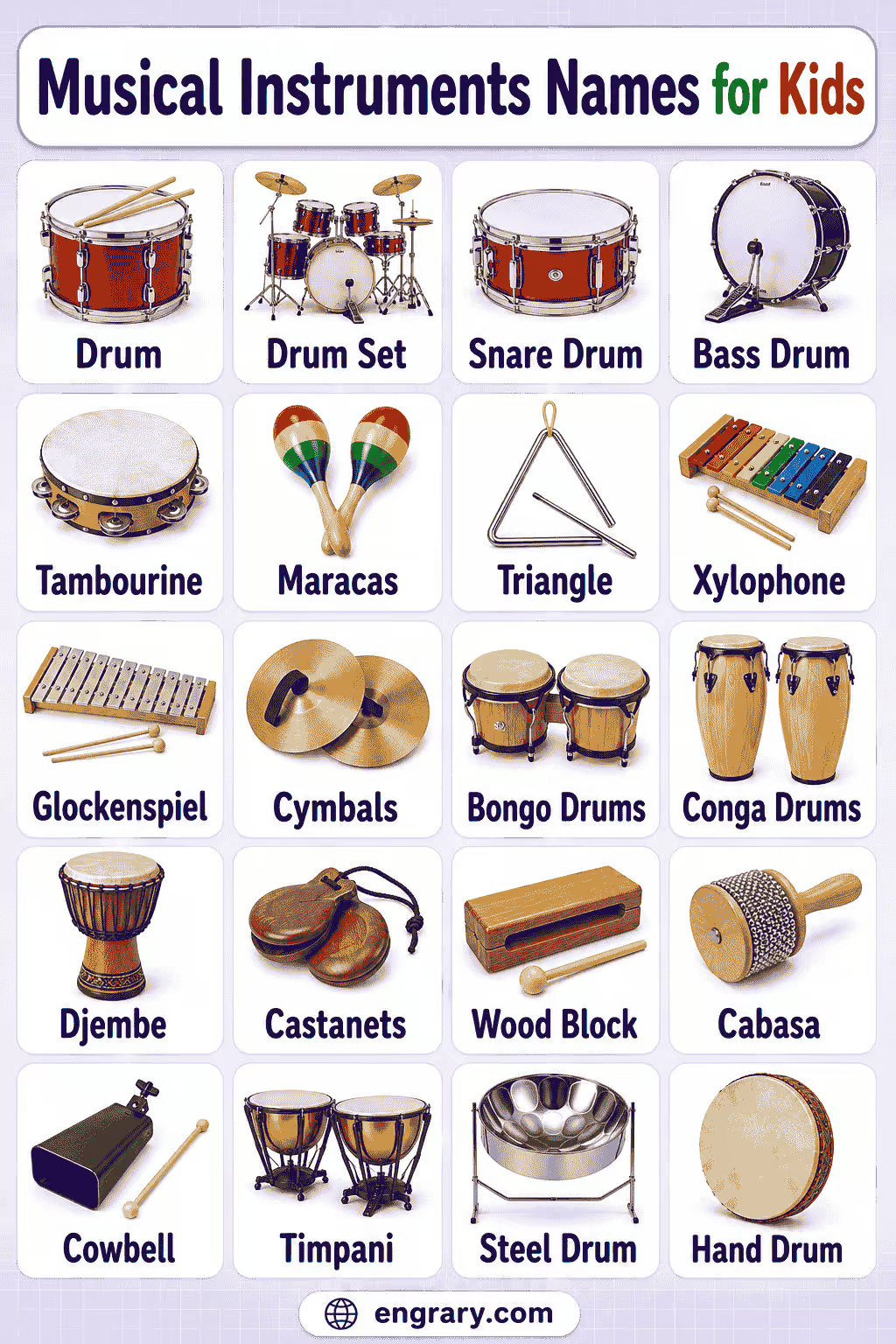
Percussion Instruments
Percussion instruments make sound when they are hit, shaken, or scraped.
- drum
- tambourine
- xylophone
- cymbals
- triangle
- maracas
- bongo drums
- snare drum
- bass drum
- glockenspiel
- castanets
- cowbell
Keyboard Instruments
Keyboard instruments have keys. People press the keys to make music.
- piano
- keyboard
- organ
- accordion
- synthesizer
- melodica
- harpsichord
Electronic Instruments
Electronic instruments use electricity to make or change sound.
- keyboard
- synthesizer
- electric guitar
- electronic drum
- digital piano
- sampler
Instrument Sounds
Instrument sounds help kids connect names with listening. Some instruments make soft sounds, while others make loud, bright, or sharp sounds.
- drum — boom, tap, beat
- triangle — ting
- cymbals — crash
- tambourine — jingle
- maracas — shake, rattle
- piano — soft or bright notes
- guitar — strum
- violin — smooth high notes
- flute — light clear sound
- trumpet — bright loud sound
- saxophone — warm jazzy sound
- xylophone — bright tapping sound
Instrument Actions for Kids
Instrument actions are words that tell how people play instruments. These action words help kids make sentences.
- play
- press
- strum
- pluck
- blow
- hit
- shake
- tap
- bow
- beat
- strike
- ring
- rattle
- slide
Simple action examples:
- press piano keys
- strum guitar strings
- pluck a harp
- blow a flute
- hit a drum
- shake maracas
- tap a tambourine
- bow a violin
- strike a xylophone
- press trumpet valves
How Musical Instruments Are Played
Different instruments are played in different ways. Some are pressed, some are blown, some are hit, and some are shaken.
- piano — press keys
- guitar — strum strings
- violin — move a bow across strings
- drum — hit with hands or sticks
- flute — blow air across the mouthpiece
- trumpet — blow and press valves
- xylophone — strike bars with mallets
- tambourine — shake or tap
- clarinet — blow through a reed
- harp — pluck strings
- recorder — blow and cover holes
- accordion — press keys and move bellows
Instruments and Players
Some instruments have special names for the people who play them. These player words add useful vocabulary.
| Instrument | Player Name |
|---|---|
| Piano | pianist |
| Guitar | guitarist |
| Drum | drummer |
| Violin | violinist |
| Flute | flutist |
| Trumpet | trumpeter |
| Cello | cellist |
| Clarinet | clarinetist |
| Saxophone | saxophonist |
| Harp | harpist |
Instruments by Category
Musical instruments can also be grouped by where they are used or how kids often learn them.
School Music Instruments
- recorder
- xylophone
- tambourine
- triangle
- maracas
- drum
- keyboard
- ukulele
Band Instruments
- trumpet
- trombone
- tuba
- clarinet
- flute
- saxophone
- snare drum
- bass drum
- cymbals
Orchestra Instruments
- violin
- viola
- cello
- double bass
- flute
- clarinet
- oboe
- bassoon
- trumpet
- trombone
- tuba
- harp
Folk and Traditional Instruments
- banjo
- mandolin
- sitar
- bagpipes
- accordion
- harmonica
- ukulele
- djembe
Toy and Beginner Instruments
- toy drum
- toy piano
- recorder
- tambourine
- xylophone
- maracas
- triangle
- small keyboard
Musical Instruments for Preschool
Preschool children should begin with instruments that are easy to recognize and act out.
- drum
- piano
- guitar
- flute
- violin
- trumpet
- tambourine
- xylophone
- maracas
- triangle
Simple preschool sentences:
- I hit a drum.
- I shake maracas.
- I press piano keys.
- I hear a flute.
- The trumpet is loud.
Musical Instruments for Kindergarten
Kindergarten children can learn more instrument names and start matching instruments with sounds, parts, and families.
- piano
- guitar
- drum
- violin
- flute
- trumpet
- xylophone
- tambourine
- saxophone
- cello
- clarinet
- harp
- recorder
- keyboard
- cymbals
Simple matching:
| Instrument | Match |
|---|---|
| Piano | keys |
| Guitar | strings |
| Drum | sticks |
| Violin | bow |
| Flute | air |
Musical Instruments for First Grade
First grade children can learn longer instrument names, instrument families, player names, and simple descriptions.
- trombone
- tuba
- French horn
- accordion
- harmonica
- ukulele
- bongo drums
- snare drum
- double bass
- organ
- mandolin
- banjo
- bagpipes
- oboe
- bassoon
Simple sentence practice:
- A trombone has a slide.
- A tuba is a large brass instrument.
- An accordion has keys and bellows.
- A harmonica is played by blowing air.
- A double bass is a large string instrument.
Instrument Matching Practice
Matching practice helps kids connect instrument names with pictures, parts, families, or playing actions.
Match the instrument to the part:
| Instrument | Part |
|---|---|
| Piano | keys |
| Guitar | strings |
| Drum | drumhead |
| Violin | bow |
| Trumpet | valves |
| Flute | mouthpiece |
| Xylophone | bars |
| Clarinet | reed |
Match the instrument to the action:
| Instrument | Action |
|---|---|
| Piano | press |
| Guitar | strum |
| Drum | hit |
| Flute | blow |
| Maracas | shake |
| Harp | pluck |
| Tambourine | tap |
| Violin | bow |
Instrument Sound Matching
Sound matching is useful because kids often recognize instruments by what they hear.
| Clue | Answer |
|---|---|
| Which instrument goes boom? | drum |
| Which instrument goes ting? | triangle |
| Which instrument jingles? | tambourine |
| Which instrument crashes? | cymbals |
| Which instrument makes bright key sounds? | piano |
| Which instrument makes a strum sound? | guitar |
| Which instrument makes a bright loud sound? | trumpet |
| Which instrument rattles when shaken? | maracas |
Instrument Description Practice
In this practice, kids read a clue and choose the correct instrument.
| Clue | Answer |
|---|---|
| Which instrument has keys? | piano |
| Which instrument has strings? | guitar |
| Which instrument is played with a bow? | violin |
| Which instrument is hit with sticks? | drum |
| Which instrument is blown into? | flute |
| Which instrument has valves? | trumpet |
| Which instrument has bars? | xylophone |
| Which instrument has jingles? | tambourine |
| Which instrument has many strings? | harp |
| Which instrument is often used in school music class? | recorder |
Instrument Vocabulary Word Bank
An instrument word bank gives kids many musical instrument names in one easy place. Teachers can use these words for spelling, worksheets, flashcards, posters, sound matching, and classroom games.
| Category | Instrument Names |
|---|---|
| Common Instruments | piano, guitar, drum, violin, flute, trumpet, xylophone, tambourine, saxophone, cello |
| String Instruments | guitar, violin, cello, harp, ukulele, double bass, mandolin, banjo, viola |
| Wind Instruments | flute, recorder, clarinet, saxophone, oboe, bassoon, piccolo, harmonica |
| Brass Instruments | trumpet, trombone, tuba, French horn, cornet, bugle, euphonium |
| Percussion Instruments | drum, tambourine, cymbals, triangle, maracas, bongo drums, snare drum, cowbell |
| Keyboard Instruments | piano, keyboard, organ, accordion, synthesizer, melodica |
| School Instruments | recorder, xylophone, tambourine, triangle, maracas, drum, keyboard |
| Beginner Instruments | toy drum, toy piano, recorder, ukulele, xylophone, maracas, small keyboard |

Printable Instrument Names List
Use this printable-style instrument list for classroom charts, notebooks, flashcards, worksheets, and vocabulary practice.
| Easy Instruments | String Instruments | Wind and Brass Instruments | Percussion and Keyboard Instruments |
|---|---|---|---|
| piano | guitar | flute | drum |
| guitar | violin | recorder | tambourine |
| drum | cello | clarinet | xylophone |
| violin | harp | saxophone | cymbals |
| flute | ukulele | trumpet | triangle |
| trumpet | double bass | trombone | maracas |
| recorder | mandolin | tuba | bongo drums |
| keyboard | banjo | French horn | snare drum |
| tambourine | viola | harmonica | bass drum |
| xylophone | sitar | oboe | piano |
| maracas | harp | bassoon | keyboard |
| triangle | ukulele | piccolo | organ |
Instrument Flashcards
Instrument flashcards help children learn through pictures, names, sounds, parts, and families. Each card can show one instrument with a clear image.
Good flashcard types include:
- instrument name card
- picture card
- family card
- sound card
- playing action card
- player name card
- matching card
- description card
- favorite instrument card
- sentence card
Flashcard examples:
- Piano — keys
- Guitar — strings
- Drum — boom
- Violin — bow
- Flute — blow
- Trumpet — valves
- Xylophone — bars
- Tambourine — jingle
Instrument Worksheets and Exercises
Instrument worksheets help kids practice reading, writing, matching, sorting, and sentence building.
Worksheet ideas:
- Match instruments to pictures.
- Match instruments to sounds.
- Match instruments to families.
- Write the instrument name.
- Fill in the missing instrument word.
- Circle string instruments.
- Sort instrument families.
- Read the clue and choose the instrument.
- Match instruments to players.
- Match instruments to how they are played.
- Draw a favorite instrument.
- Write a sentence about an instrument.
- Complete an instrument word search.
- Make instrument flashcards.
Example fill-in-the-blank sentences:
| Sentence | Answer |
|---|---|
| I play the _____. | piano |
| She strums the _____. | guitar |
| He hits the _____. | drum |
| We hear a _____. | flute |
| The _____ has strings. | violin |
| The _____ jingles. | tambourine |
Common Mistakes When Teaching Musical Instruments
- Teaching too many instrument names at once
- Skipping instrument sounds
- Skipping instrument families
- Giving rare instruments too early
- Not showing pictures
- Not connecting instruments with how they are played
- Confusing brass and wind instruments
- Skipping simple meanings
- Not using sentences
- Teaching only orchestra instruments and missing school or beginner instruments
How to Teach Musical Instruments to Kids
Start with familiar instruments children can see and hear, such as drum, piano, guitar, flute, violin, trumpet, tambourine, and xylophone. Show one picture at a time, say the instrument name clearly, and add a simple meaning like “A drum makes a beat” or “A piano has keys.”
Next, connect each instrument with a sound, part, family, or action. For example, a guitar has strings, a trumpet has valves, and maracas rattle when shaken. Use flashcards, sound matching, family sorting, simple sentences, drawing tasks, and worksheets so kids can see, hear, say, read, and write the instrument names.
FAQs
Musical instruments are objects people use to make music. Examples include piano, guitar, drum, violin, flute, trumpet, xylophone, and tambourine.
Easy musical instrument names for beginners include drum, piano, guitar, flute, violin, trumpet, tambourine, xylophone, maracas, and triangle.
The main musical instrument families are string, wind, brass, percussion, keyboard, and electronic instruments.
Kids can learn instrument sounds by listening to real instruments, using sound matching games, watching music videos, and matching sounds like boom, ting, crash, jingle, strum, and rattle.
Teach musical instruments with pictures, simple meanings, sounds, families, actions, player names, flashcards, games, matching practice, and worksheets.
You May Also Like